
The evolution of gambling A journey through time and chance
The Origins of Gambling
The roots of gambling can be traced back to ancient civilizations, where chance and luck played pivotal roles in various cultural practices. Archaeological findings reveal that the earliest known gaming instruments, such as dice, date back to 3000 BC in Mesopotamia. These rudimentary forms of gambling provided a means for individuals to engage in games of chance, often tied to rituals or religious beliefs. This early fascination with randomness laid the foundation for modern gambling practices. Today, platforms like nz.caseacasino.nz continue this rich tradition.
In ancient Rome, gambling became a widespread activity among both the elite and the common people. Citizens participated in various games, from betting on gladiatorial contests to playing dice games in public spaces. The Roman approach to gambling was not just about risk but also about social interaction, with gatherings often forming around these games. These early instances of gambling showcased the psychological allure that games of chance held over people, a phenomenon that continues to resonate through the ages.
As societies evolved, so did the forms of gambling. The introduction of playing cards in the 14th century marked a significant turning point in the history of gambling. Originating from China and spreading across Europe, card games became increasingly popular, leading to the establishment of betting houses. This evolution highlighted the growing sophistication of gambling practices, as people began to view them not only as games of chance but also as strategic endeavors requiring skill and psychology.
The Rise of Casinos
The concept of the casino as a dedicated space for gambling emerged in the 17th century in Italy. Initially, these establishments served as venues for social gatherings where nobles and wealthy patrons would engage in various games. The Casino di Venezia, established in 1638, is recognized as the world’s oldest casino. It offered not just gambling but also a complete entertainment experience, featuring music, dance, and social interaction, thereby transforming gambling into a central aspect of social life.
During the 19th century, casinos spread across Europe and North America, gaining immense popularity. The establishment of Monte Carlo as a gambling hub illustrated how casinos became synonymous with luxury and entertainment. The appeal of casinos extended beyond just gambling; they became social institutions where individuals gathered to experience a unique blend of excitement and glamour. This era marked a crucial phase in the evolution of gambling, as it established a framework that combined chance with social dynamics.
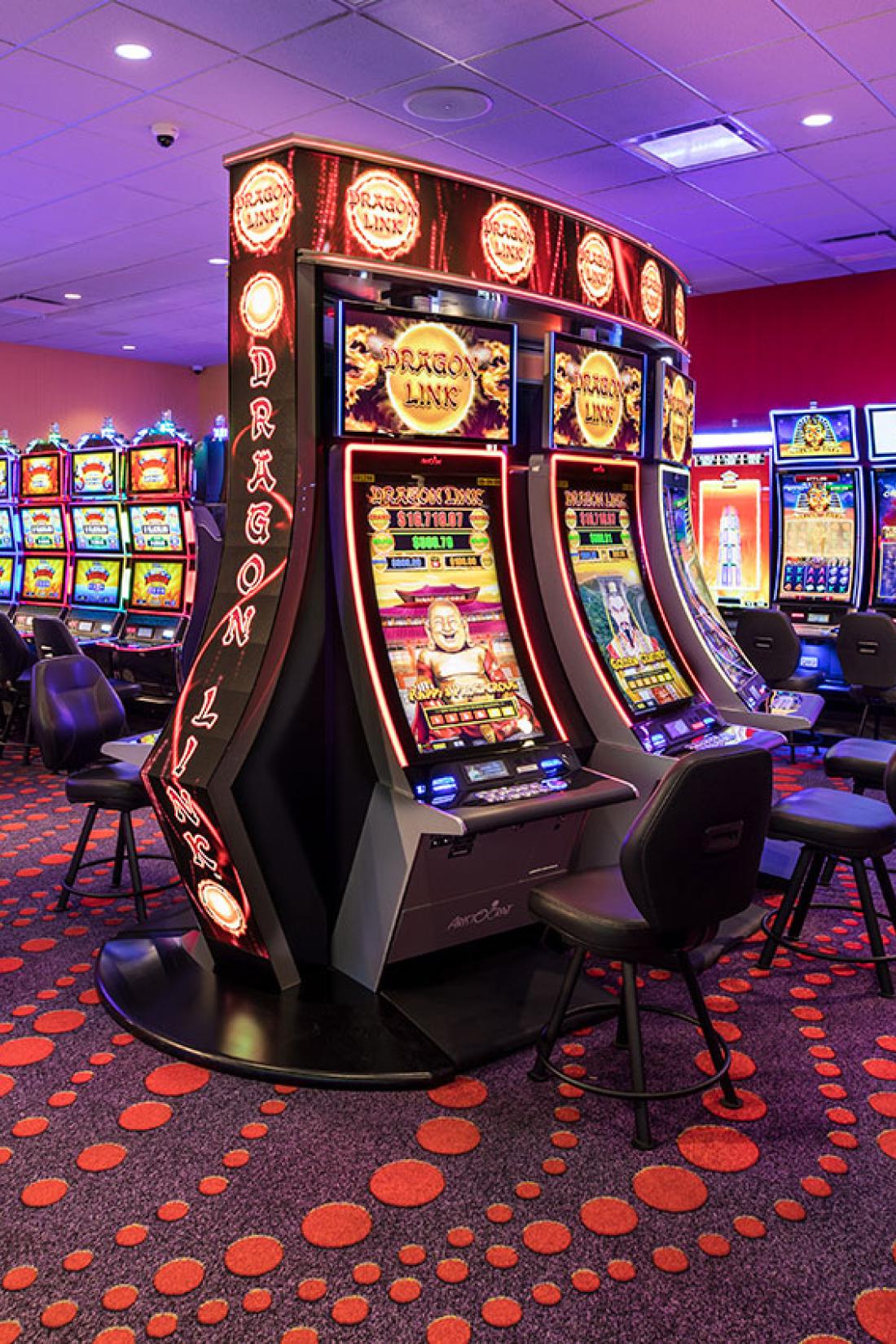
As gambling continued to evolve, technological advancements began to play a significant role. The invention of the slot machine in the late 19th century introduced a new level of accessibility to gambling. These machines, often found in bars and saloons, democratized the gambling experience, allowing individuals from various walks of life to participate. This innovation not only expanded the reach of gambling but also showcased how technology could enhance the thrill of chance, further embedding gambling into popular culture.
The Psychological Aspects of Gambling
Understanding the psychology behind gambling reveals much about why it captivates so many individuals. One significant aspect is the concept of ‘near misses,’ where players come close to winning, triggering feelings of excitement and anticipation. This phenomenon can lead to a cycle of chasing losses, as players often believe that a win is just around the corner. Such psychological mechanisms highlight the intricate relationship between chance and human behavior, making gambling a compelling, if sometimes perilous, activity. Casea casino emerges as a focal point in understanding this dynamic.
Moreover, the thrill of risk-taking plays a crucial role in the allure of gambling. Many individuals are drawn to the adrenaline rush associated with high-stakes games. This excitement can be compared to other risk-based activities, such as extreme sports, where the psychological reward often outweighs the potential for loss. The brain’s reward system gets activated during these experiences, releasing dopamine and creating a sense of pleasure that keeps players returning to the game.
Additionally, social dynamics in gambling can enhance the experience. Many players enjoy the communal aspect of gambling, whether it’s cheering for a winning hand at a blackjack table or bonding with fellow players over a poker game. This social interaction can provide a sense of belonging, often leading to repeated participation. Understanding these psychological factors is essential for both players and operators, as they can significantly influence gambling behavior and experience.
The Digital Transformation
The 21st century ushered in a digital revolution, profoundly impacting the landscape of gambling. Online casinos and mobile gaming applications emerged, providing players with unprecedented access to gambling platforms from the comfort of their homes. This digital shift transformed the gambling experience, allowing for a more personalized interaction and a wider variety of games. Players can now enjoy everything from traditional table games to innovative video slots, all tailored to their preferences.
Moreover, the rise of live dealer games further bridged the gap between physical and online casinos. These games use real-time video streaming to create an interactive experience that mimics the ambiance of a traditional casino. Players can engage with live dealers and other participants, enhancing the social aspect of gambling that many players crave. This innovation reflects the industry’s adaptability, showcasing how technology can enhance user experience while maintaining the excitement of real-time gaming.
However, the rise of online gambling also brings forth challenges, particularly concerning responsible gaming practices. With easy access to gambling platforms, the potential for addiction and financial issues increases. Recognizing this, many online casinos have implemented measures to promote responsible gaming, offering tools for setting limits and self-exclusion options. The digital transformation of gambling emphasizes the need for a balance between innovation and player well-being, ensuring that the thrill of chance remains a positive experience.
Casea Casino: A Modern Gaming Experience
As the evolution of gambling continues, platforms like Casea casino represent the latest advancements in online gaming. Designed to cater to both novice and experienced players, Casea casino offers a diverse library of thrilling pokies and live dealer games, ensuring there is something for everyone. The user-friendly interface makes navigation simple, allowing players to immerse themselves in the gaming experience without unnecessary complications.
Also, Casea casino emphasizes player safety and satisfaction, providing secure transactions and round-the-clock customer support. This focus on security is crucial, especially in an era where digital transactions are prevalent. Additionally, their robust VIP program rewards loyal players, further enhancing the gaming journey. The combination of excitement, security, and personalization positions Casea casino as a leading destination for online gaming in New Zealand.
By embracing the rich history of gambling while integrating modern technology and a focus on user experience, Casea casino embodies the evolution of this timeless pursuit. Whether one is drawn to the thrill of chance, the social dynamics of gaming, or the strategic aspects of skill, Casea casino offers an engaging platform that reflects the journey of gambling through time and chance.
