
The psychology behind casino game design is a complex and fascinating topic. Casinos use a variety of techniques to keep players engaged and active, from the layout of the casino floor to the design of individual games. One key aspect of this is the use of continuous play and ergonomics to create a state of “dark flow,” where players become fully immersed in the game. For example, the rockwin-casino.org website offers a range of games designed to keep players engaged, with features such as high-contrast colors and upbeat music.
Research has shown that players who experience a state of flow, also known as being “in the zone,” are more likely to continue playing and make riskier bets. This is because the brain releases dopamine, a neurotransmitter associated with pleasure and reward, when players experience a win or a near-miss. Casinos take advantage of this by designing games that provide frequent rewards and near-misses, keeping players in a state of anticipation and excitement.
The Science of “The Zone”: Creating a State of Dark Flow
The Role of Continuous Play and Ergonomics
Continuous play and ergonomics play a crucial role in creating a state of dark flow. By designing games that allow players to bet quickly and easily, without the need to interrupt play or leave their seat, casinos can keep players engaged for longer periods. This is particularly effective in combination with ergonomic design elements, such as comfortable seating and intuitive controls, which reduce physical fatigue and allow players to focus on the game.
For example, the use of “wraparound” seating, where players are surrounded by screens and controls, can create a sense of immersion and reduce distractions. This type of design also allows players to play for longer periods without becoming uncomfortable or fatigued, increasing the potential for a state of dark flow to occur.
Eliminating External Cues: Why There Are No Windows or Clocks
Casinos also use a variety of techniques to eliminate external cues that might interrupt play or distract players. One common approach is to remove windows and clocks, which can help players lose track of time and become more fully engaged in the game. By eliminating these external cues, casinos can create an environment that is more conducive to a state of flow, where players are less aware of their surroundings and more focused on the game.
This approach is often combined with the use of lighting and sound effects to create a stimulating and engaging atmosphere. For example, the use of bright lights and upbeat music can create a sense of excitement and energy, while the use of soothing colors and sounds can create a more relaxed and calming atmosphere.
Sensory Overload: Lights, Sound, and the “Celebration of Loss”
Casinos use a range of sensory stimuli to create a stimulating and engaging environment. This can include the use of bright lights, loud music, and other sound effects to create a sense of excitement and energy. One key aspect of this is the use of “celebration of loss” techniques, where the game provides a reward or acknowledgement for a loss, rather than just a win. This can help to create a sense of anticipation and excitement, even when players are losing.
Research has shown that the use of sensory stimuli, such as lights and sound effects, can have a powerful impact on player behavior. For example, a study by the University of Nevada found that the use of bright lights and loud music can increase player arousal and excitement, leading to increased betting and longer play sessions.
| Trigger Type | Design Mechanism | Psychological Impact | Emotional Goal |
| Auditory | C-Major Chords & Upbeat Tempo | Triggers dopamine release | Excitement & Energy |
| Visual | High-Contrast Colors (Red/Gold) | Increases arousal and alertness | Urgency to play |
| Feedback | “Losses Disguised as Wins” | Masks the reality of a net loss | Encourages persistence |
| Physical | Ergonomic “Wraparound” Seating | Reduces physical fatigue | Prolonged session time |
| Olfactory | Ambient “Scent Marketing” | Creates a familiar, safe environment | Brand loyalty & Comfort |
The Near-Miss Effect: Why Losing Feels Like a Potential Win
Cognitive Dissonance and the “So Close” Mentality
The near-miss effect is a phenomenon where players experience a sense of excitement and anticipation when they come close to winning, even if they ultimately lose. This is often due to cognitive dissonance, where players experience a sense of discomfort or tension when their expectations are not met. By providing near-misses, casinos can create a sense of anticipation and excitement, even when players are losing.
Research has shown that near-misses can activate the same brain regions as wins, releasing dopamine and creating a sense of pleasure and reward. This can lead to a “so close” mentality, where players feel that they are on the verge of a big win, even if they have been losing consistently.
The Illusion of Control in Skill-Based Game Elements
Casinos also use skill-based game elements to create an illusion of control, where players feel that they have a greater degree of influence over the outcome of the game. This can be particularly effective in combination with near-misses, where players feel that they are close to winning and that their skills are being rewarded.
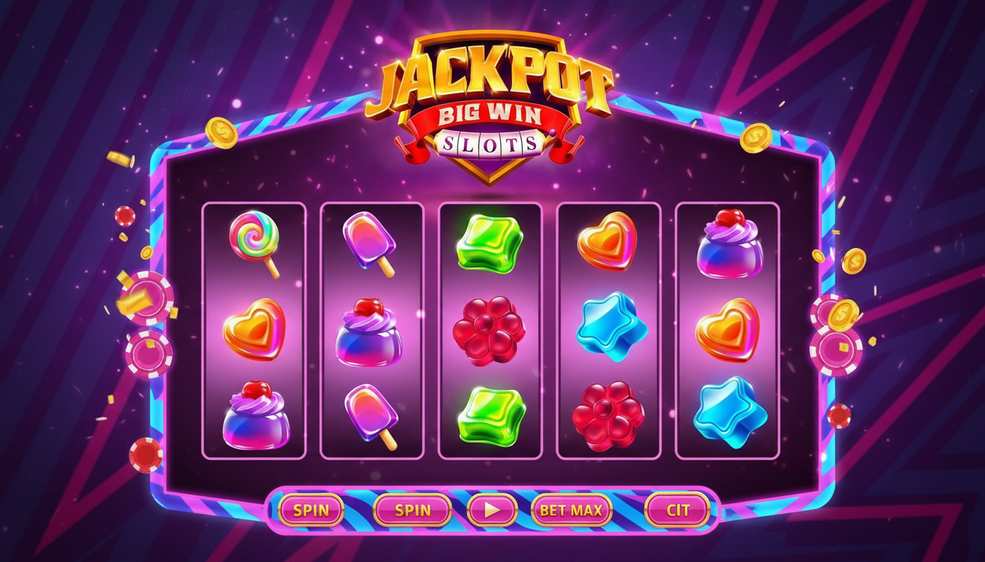
For example, a game that requires players to make decisions or use strategy can create a sense of control and agency, even if the outcome is ultimately determined by chance. This can lead to increased player engagement and satisfaction, as players feel that they are able to influence the outcome of the game.
Reward Schedules: The Power of Variable Ratio Reinforcement
From Skinner’s Box to the Modern Slot Machine
Reward schedules, such as variable ratio reinforcement, are a key aspect of casino game design. By providing rewards at unpredictable intervals, casinos can create a sense of anticipation and excitement, keeping players engaged and active. This approach is based on the work of B.F. Skinner, who demonstrated the power of variable ratio reinforcement in his famous “Skinner’s box” experiments.
In these experiments, Skinner found that animals that received rewards at unpredictable intervals were more likely to continue performing a behavior, even if the reward was not guaranteed. This approach has been widely adopted in casino game design, where rewards are often provided at unpredictable intervals to create a sense of anticipation and excitement.
Why Unpredictability is More Addictive Than Certainty
Research has shown that unpredictability is more addictive than certainty, as it creates a sense of anticipation and excitement. By providing rewards at unpredictable intervals, casinos can create a sense of uncertainty, keeping players engaged and active. This approach is often combined with the use of near-misses and other techniques to create a sense of anticipation and excitement.
For example, a game that provides rewards at unpredictable intervals can create a sense of uncertainty, keeping players engaged and active. This approach can be particularly effective in combination with the use of sensory stimuli, such as lights and sound effects, to create a sense of excitement and energy.
Author
Author: Dr. Julian Thorne
Bio: Dr. Julian Thorne is a behavioral psychologist and former consultant for gaming regulatory bodies. With over 15 years of experience studying the intersection of human behavior and digital interfaces, he specializes in the ethics of persuasive design and the mechanics of habit formation in the gambling industry.
FAQ
Why do slot machines use bright colors and loud noises even when you lose?
Slot machines use bright colors and loud noises to create a sense of excitement and energy, even when players are losing. This approach is designed to keep players engaged and active, by creating a sense of anticipation and excitement. By using sensory stimuli, such as lights and sound effects, casinos can create a sense of urgency and excitement, keeping players engaged and active.
What is “Losses Disguised as Wins” (LDWs)?
“Losses Disguised as Wins” (LDWs) refer to the practice of providing players with a reward or acknowledgement for a loss, rather than just a win. This approach is designed to create a sense of anticipation and excitement, even when players are losing. By providing LDWs, casinos can create a sense of uncertainty, keeping players engaged and active.
How does the “near-miss” effect encourage people to keep gambling?
The near-miss effect encourages people to keep gambling by creating a sense of anticipation and excitement. By providing near-misses, casinos can create a sense of uncertainty, keeping players engaged and active. This approach is often combined with the use of sensory stimuli, such as lights and sound effects, to create a sense of excitement and energy.
Is the psychological design of online casinos different from physical ones?
The psychological design of online casinos is similar to that of physical ones, with a focus on creating a sense of anticipation and excitement. However, online casinos often use additional techniques, such as personalized marketing and rewards, to create a sense of engagement and loyalty. By using data analytics and machine learning, online casinos can create a highly personalized experience, tailored to the individual player’s preferences and behavior.
